
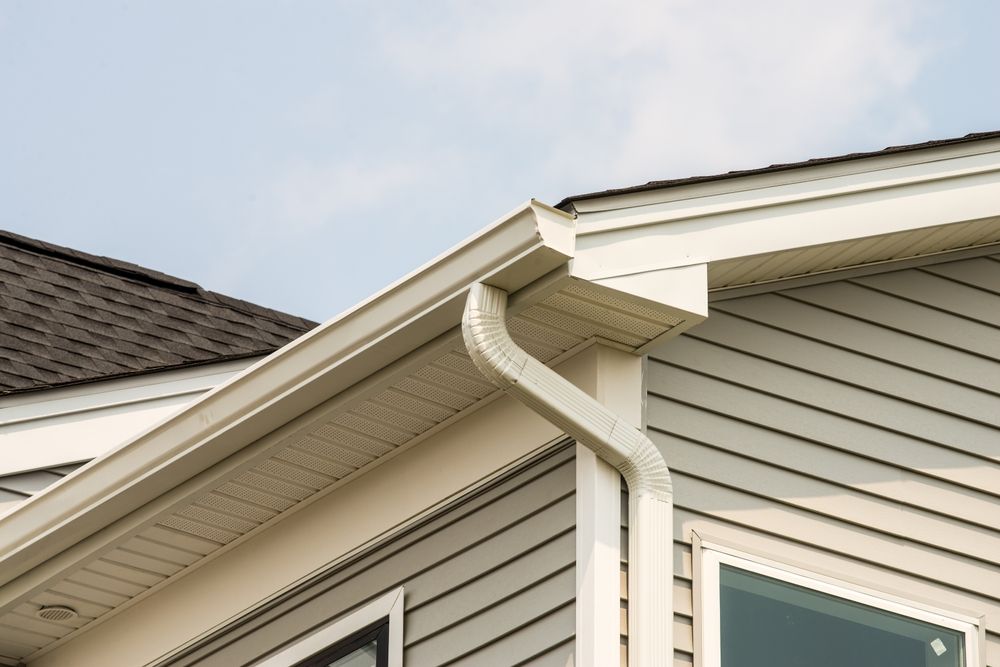
Protect Your Roofline from Water Damage
Gutters in Illinois for overflowing downspouts and foundation pooling
Liberation Contracting & Roofing installs and replaces gutter systems for homeowners throughout the greater St. Louis metro area who need reliable drainage to protect their foundation, siding, and landscaping. You see the signs when water cascades over the edges during storms, pools along the foundation, or leaves stains streaking down your exterior walls. The crew evaluates your roofline and drainage patterns to determine the slope, downspout placement, and capacity needed to move water away from vulnerable areas.
Proper gutter systems channel rainwater and snowmelt off the roof and away from the structure, preventing erosion, basement seepage, and foundation settlement. In Illinois, where seasonal storms bring heavy rainfall and temperature swings can cause ice buildup, gutters must handle volume without sagging or pulling away from the fascia. The team uses materials built to withstand freeze-thaw cycles and wind-driven debris, ensuring the system stays secure through Midwest weather conditions.
If you notice water spilling over the sides, rust spots forming along seams, or your landscaping washing out after rain, schedule an inspection to review your current setup and discuss replacement options.
What Happens During a Gutter Installation
The crew begins by removing old gutters if necessary, then measuring and cutting new sections to fit your roofline exactly. Hangers are fastened to the fascia at intervals that prevent sagging, and downspouts are positioned to direct water toward appropriate drainage areas or extensions that carry it well beyond the foundation. Seams are sealed to prevent leaks, and the system is tested with water to confirm proper flow and pitch.
After installation, you will see water move cleanly off the roof and through the downspouts without spilling, puddling near the foundation, or staining the siding. Liberation Contracting & Roofing often recommends gutter upgrades during roofing replacements or storm restoration projects, when the fascia is already exposed and the full roofline can be addressed at once. The result is a drainage system that works with your roof to protect the structure beneath it.
Gutter installation does not include gutter guards, underground drainage extensions, or landscaping repairs, though those can be discussed separately. The focus remains on securing a functional system that handles the volume your roof sheds and directs it where it will not cause harm.
Homeowners in St. Louis and beyond often ask about materials, timing, and what to expect once the work is done.
Common Questions About Gutter Work
What material is used for gutter installations?
Most installations use aluminum or galvanized steel sections that resist rust and handle the weight of water and debris common in Illinois.
How long does a gutter installation take?
A typical single-family home installation is completed in one day, though larger rooflines or multi-story structures may require additional time.
When should gutters be replaced instead of repaired?
Replacement is recommended when you see rust holes, separated seams, or sections pulling away from the fascia, especially if the fascia itself shows rot or water damage.
Why do gutters overflow even when they seem clear?
Overflowing can result from improper pitch, undersized downspouts, or sections installed without enough slope to move water toward the outlets.
What happens if gutters are not replaced when they fail?
Water runs directly off the roof edge, saturating soil near the foundation, staining siding, and creating conditions that lead to basement leaks and erosion around plantings.
If your gutters are leaking, sagging, or no longer keeping water away from the foundation, contact Liberation Contracting & Roofing to arrange an evaluation and receive a detailed estimate based on your roofline and drainage needs.